

Mother Tongue Languages
2024 New Primary Mother Tongue Languages Curriculum
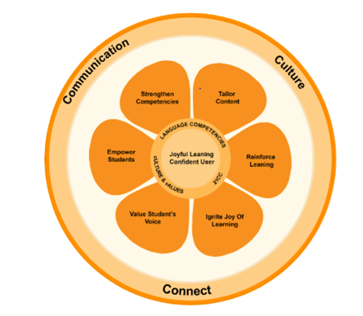
The 2024 Primary MTL Curriculum builds on the strengths of the 2015 curriculum with the aim of getting MTL learners to experience the joy of learning and becoming confident users of the language through three curricular goals:
(i) Language Competence
Students are equipped with the foundational language knowledge, skills and strategies to ensure effective communication.
(ii) Culture & Values
Students are equipped with the essential moral values and are able to appreciate their own MTLs, culture and traditions.
(iii) 21CC
Students are equipped with the foundational social-emotional competencies and competencies such as civic, global and cross-cultural literacy, as well as critical, adaptive and inventive thinking.
Teaching and Learning of MTL
The three broad objectives in the teaching and learning of MTL are:
(i) Communication
Learning MTL aims to cultivate positive language attitude, confidence and willingness to use MTL while developing essential communication competencies and language skills.
(ii) Culture
Learning MTL helps students understand and shape their unique identities through a deeper appreciation of culture, traditions and history.
(iii) Connection
Proficiency in MTL and strong cultural grounding enable students to connect with their heritage and develop a sense of belonging to Singapore. It also enhances the cross-cultural competencies to engage with communities across Asia and the world.
MTL Department Vision
Competence in MTL, Respect for Culture.
The vision of Competence in MTL, Respect for Culture in PLVPS emphasises
developing students’ ability to use MTL confidently and effectively, while
fostering a deep appreciation and respect for the cultures, values, and
traditions associated with the language.
MTL Department Mission
In PLVPS, we aim to develop students who are proficient in their Mother Tongue Languages and who value and appreciate diverse cultures.
Pedagogy and Approaches for MTL Learning (Stretch, Strengthen and Support Approach)
In PLVPS, we adopt a student-centered approach (Stretch, Strengthen and Support) when designing MTL learning experiences. Through the use of e-Pedagogy, the teachers create engaging lessons that support independent and collaborative learning. The incorporation of authentic materials further enhances relevance and meaning, enabling students to connect classroom learning with real-world context.
- Stretch the High-Progress Learners (HP) by deepening understanding and promoting students’ self-directedness in learning the language.
- Strengthen the Middle-Progress Learners (MP) by strengthening language literacy and building students’ confidence and motivation in learning the language.
- Support the Low-Progress Learners (LP) by closing the foundational gaps and building students’ interest and engagement in learning the language.

MTL Signature Programmes
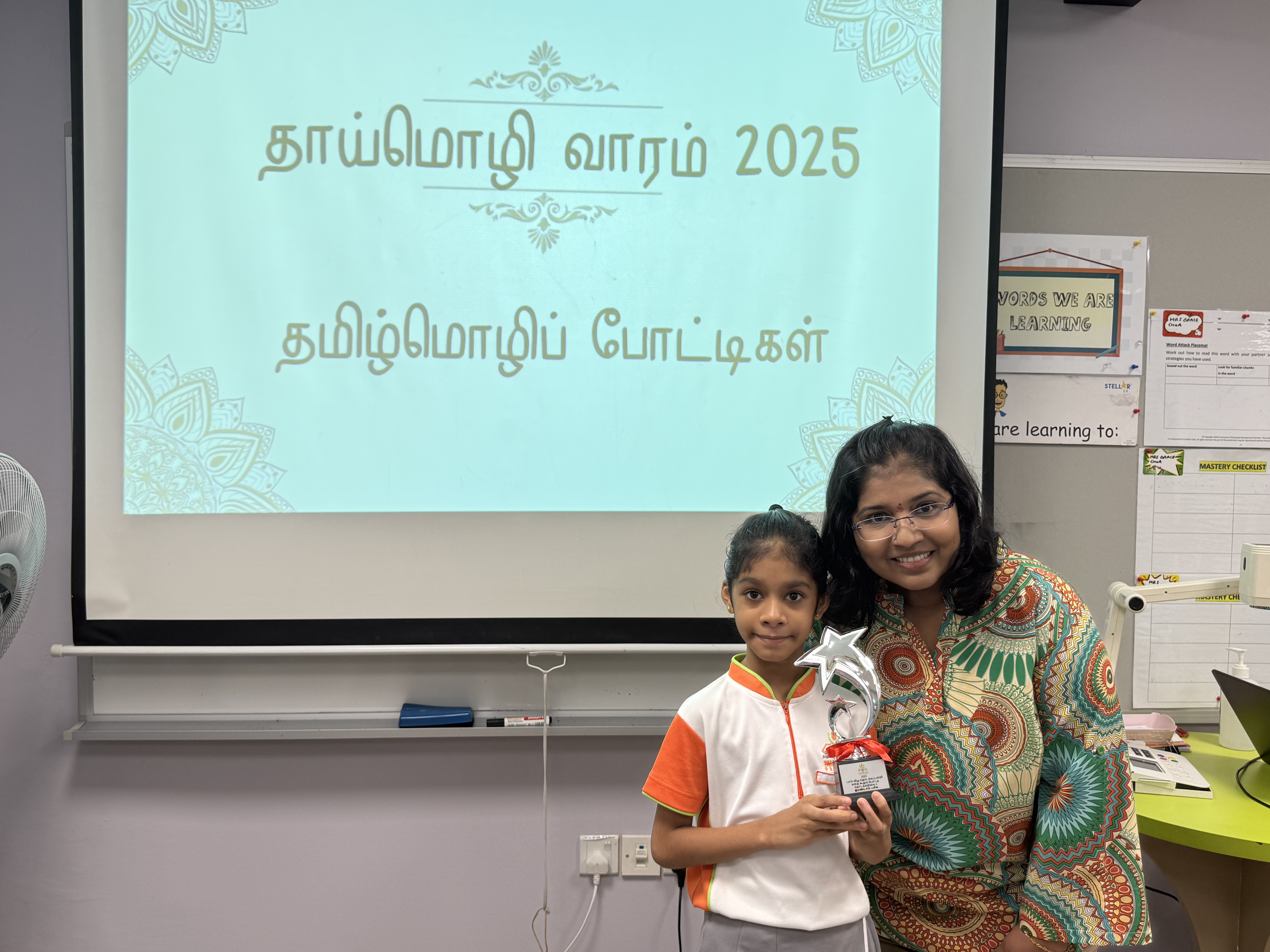
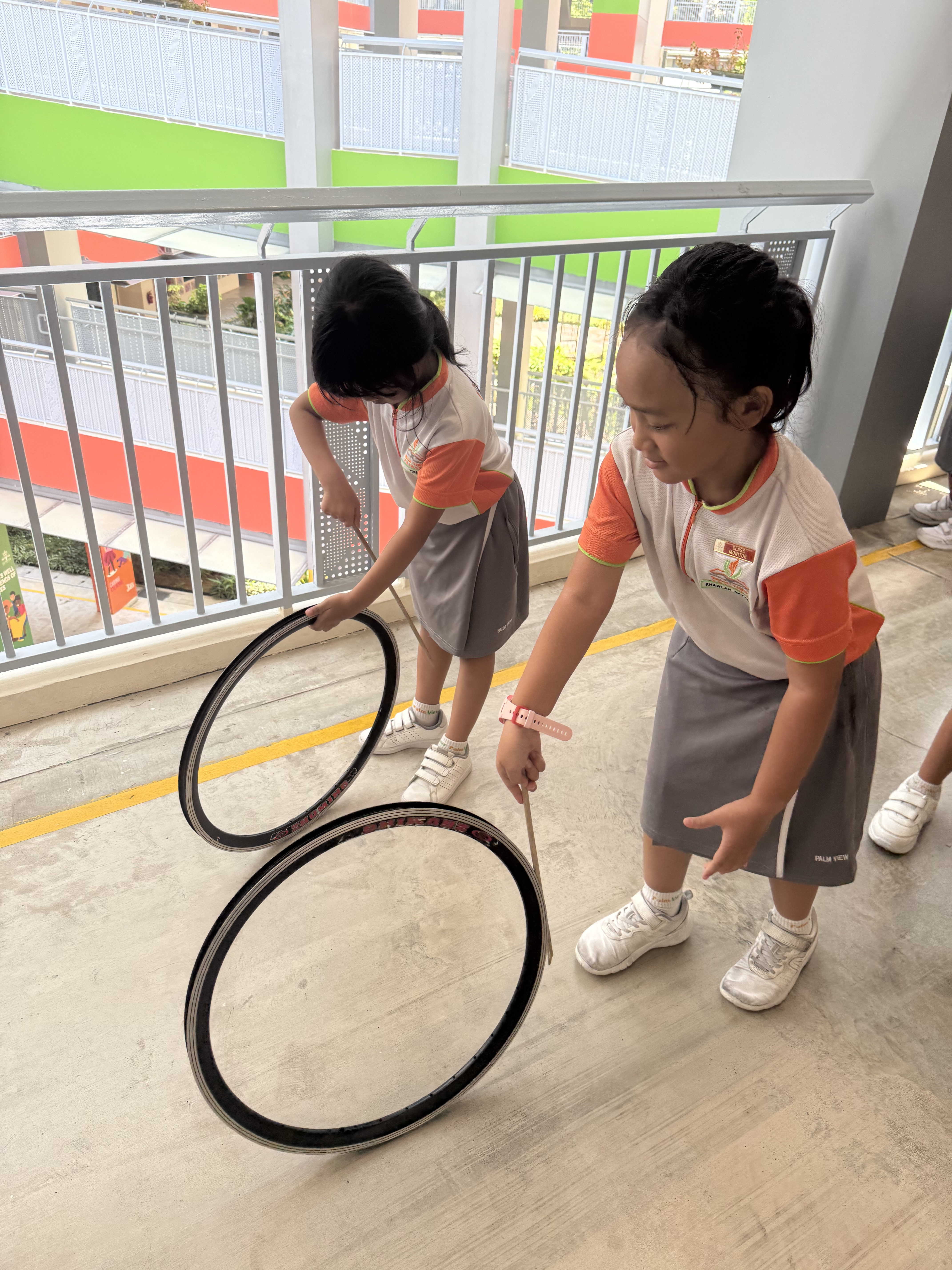
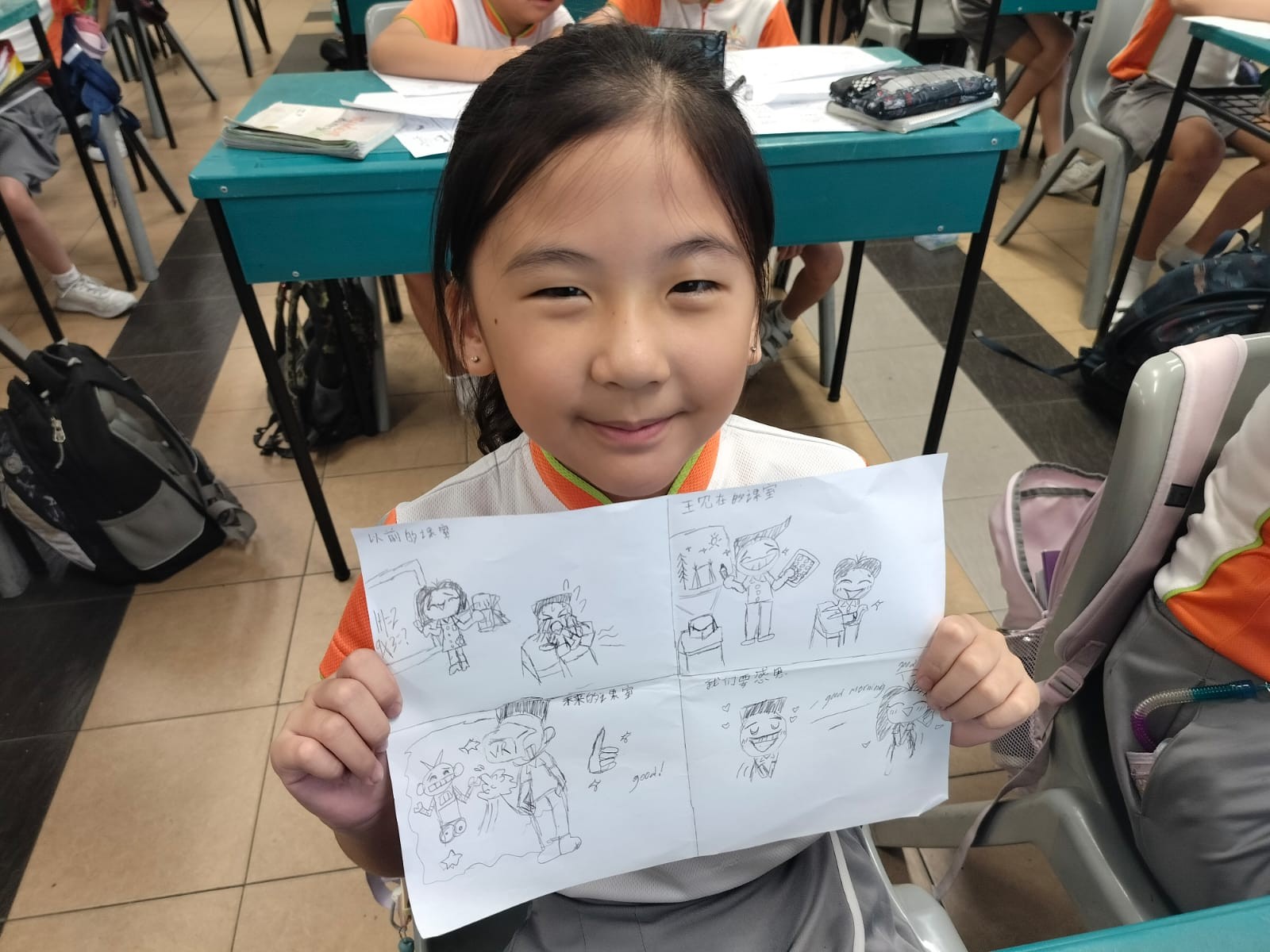
(i) MTL Fortnight (MTL FN) and Cultural Appreciation Programme
The MTL FN activities provide platforms for students to actively learn MTL and the associated culture to experience MTL as ‘a living language’. These activities provide authentic opportunities for students to use MTL and experience the culture.
(ii) MTL SOAR
Spark interest, Open minds, Appreciate cultural heritage, Rise as confident readers is a structured Mother Tongue Language (MTL) reading programme introduced by MOE in Singapore. It is designed to instil a love for reading in MTL and build positive reading habits from a young age.
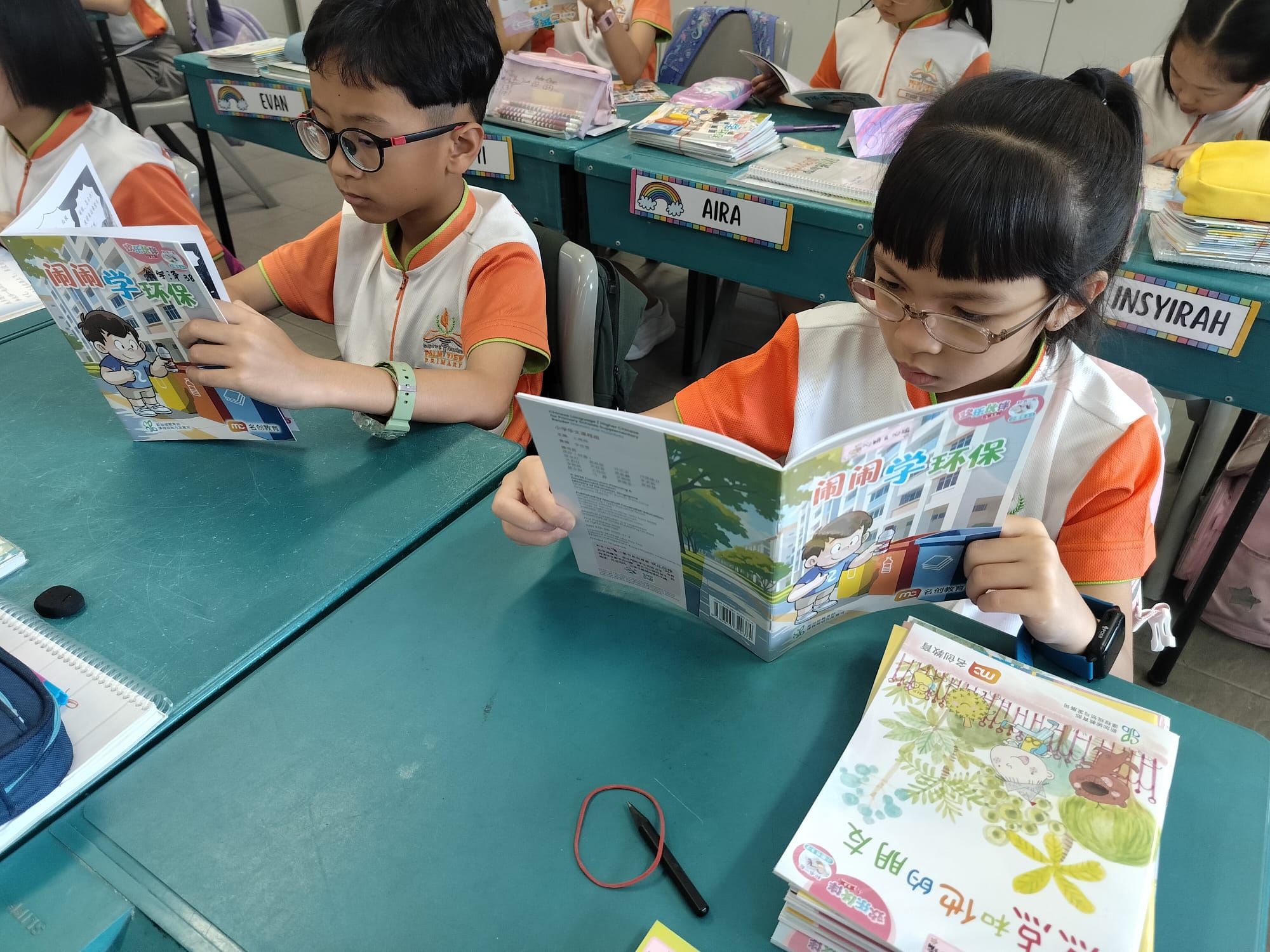
(iii) Theatre Appreciation
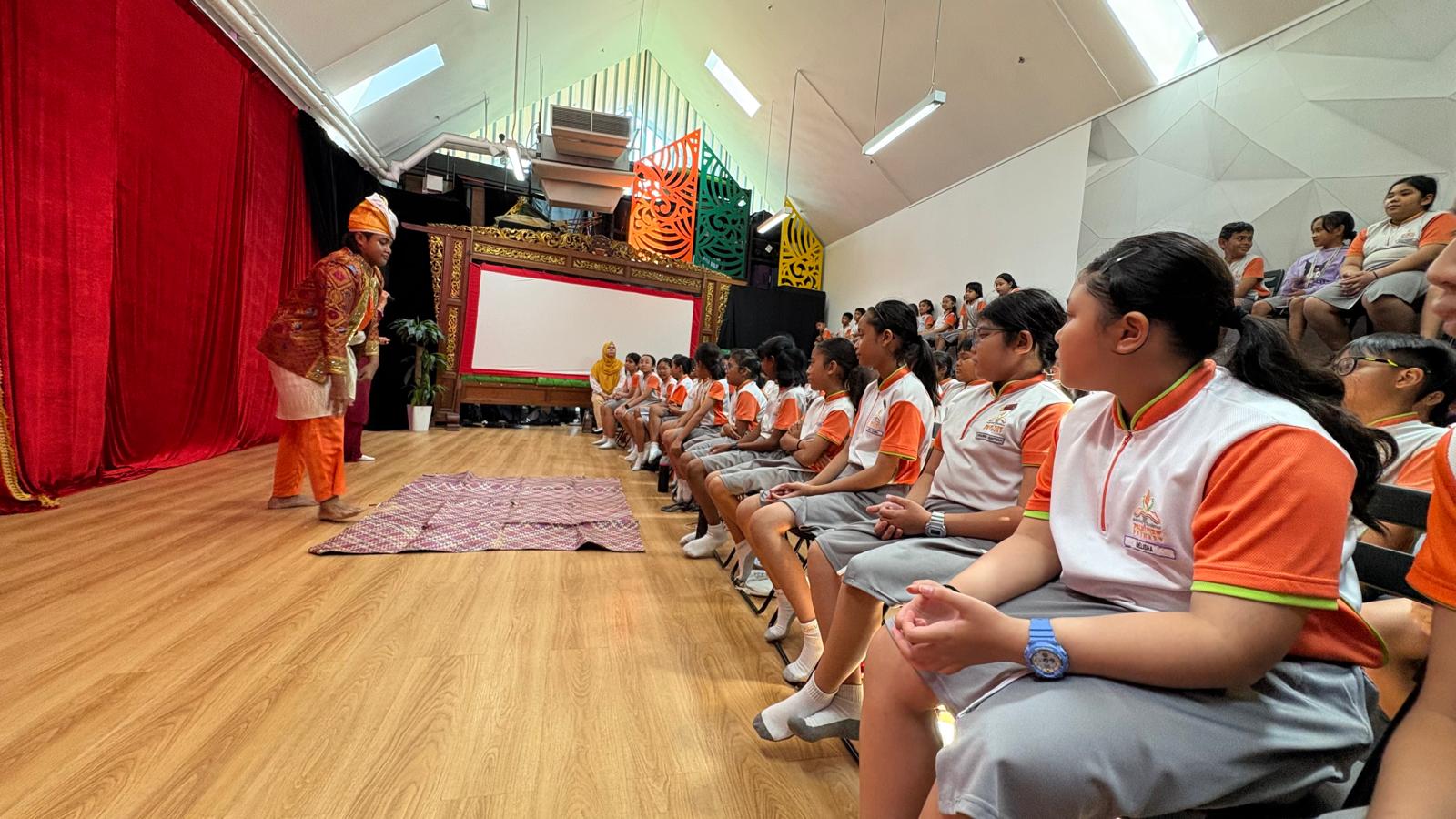
Theatre Appreciation in MTL learning aims to deepen students’ understanding of cultural heritage, strengthen language skills and develop critical thinking through engagement with authentic performances. It encourages creative expression, fosters empathy and social awareness and cultivates a lifelong interest in theatre and the arts as meaningful avenues for learning the Mother Tongue languages.
Practical tips for parents in supporting the children in MTL learning
(i) To cultivate the love of reading MTL books, parents could read the small readers with their children. They can also bring their children to the library and allow them to select their own MTL book to read together as a family.
(ii) Children take time to learn and write letters and characters. Do encourage them to take small steps. Give them time and affirm their good work as they progress. Show interest in the child’s MTL learning.
(iii) Do activities that require completing together. Conversations during such activities can be in MTL. For example, singing songs found in their MTL textbooks with movements and repetitions can help reinforce learning.
Provide a conducive environment for learning MTL. For example, set up a reading corner at home, watch suitable TV programmes in MTL, etc. Use a variety of resources at home to extend your child's language and literacy skills in MTL during such activities